Sourdough Brioche: Rich, Buttery Enriched Loaf Recipe
Short answer: sourdough brioche is absolutely possible, and it is one of the most rewarding enriched bakes you can make — a rich, buttery, golden loaf with a soft, shreddable crumb and just enough tang to keep it from tasting one-note. The trade-off is patience: butter slows fermentation, so expect a bulk ferment of 6 to 10 hours plus an overnight chill before shaping, and a final proof of 2 to 4 hours. Plan it as a weekend bake, and the result will beat most bakery brioche on flavour alone.
Brioche sits in the enriched-dough family alongside the sourdough cinnamon rolls we baked recently, but it is a different challenge: there is no filling to hide behind, so the crumb, the butter incorporation, and the bake itself have to be right. This guide covers the full process, from formula to troubleshooting, so you can bake it with confidence the first time.
What Brioche Is — and Why Sourdough Suits It
Classic brioche is a French enriched bread made with flour, eggs, butter, milk, a little sugar, and salt. The butter content is high — typically 40 to 50% of the flour weight — which gives the famous tender, almost cake-like crumb and a rich golden colour. Sourdough brioche replaces commercial yeast with an active starter, and the slow fermentation adds a subtle acidity that balances the richness beautifully.
That acidity also helps with keeping quality. A yeast brioche can taste stale within a day; a sourdough brioche stays soft for two to three days at room temperature, and it toasts superbly even after that. It is the same keeping-quality advantage you get from any naturally leavened enriched dough, and it is worth the longer timeline on its own.
The Formula
This recipe makes one large loaf in a 9 x 5 inch (23 x 13 cm) pan, or two smaller loaves. As always with enriched dough, weigh everything — a kitchen scale is not optional here, because a 20 g butter error changes the dough noticeably.
- Bread flour: 500 g
- Active starter: 100 g, at peak (20%)
- Whole milk: 200 g, lukewarm (40%)
- Eggs: 3 large (about 150 g), room temperature
- Sugar: 50 g (10%)
- Salt: 10 g (2%)
- Unsalted butter: 200 g (40%), soft but cool — about 65°F / 18°C
- Egg wash: 1 egg beaten with 1 tablespoon milk, for brushing
Use bread flour rather than all-purpose: the higher protein supports the dough under all that butter. If you are unsure whether your starter is strong enough for an enriched dough, it should double within 4 to 8 hours of feeding and pass the float test. Our starter guide and feeding guide cover both checks, and if your starter has been sluggish, troubleshoot it first — brioche is not the bake to test a weak starter on.
Mixing: Patience Before Butter
Mix the flour, starter, milk, eggs, sugar, and salt in a stand mixer with the dough hook (or by hand, with more effort) until a shaggy dough forms. Knead on medium speed for 8 to 10 minutes until the dough is smooth and pulls away from the bowl — this is the critical step most beginners rush. The gluten network must be well developed before the butter goes in, because fat coats flour proteins and slows gluten formation dramatically.
Then add the butter one tablespoon at a time, waiting until each piece is absorbed before adding the next. This takes 10 to 15 minutes and will look alarming halfway through — the dough will slump, smear, and seem to fall apart. Keep going. It will come back together into a smooth, satiny, slightly tacky dough that slaps the sides of the bowl. If you are mixing by hand, use the slap-and-fold technique in short bursts with rests, and expect the process to take closer to 30 minutes.
Butter Temperature Matters
Butter that is too warm melts into the dough and makes it greasy and slack; butter straight from the fridge will not incorporate and leaves lumps. Aim for butter you can dent with a finger but that still holds its shape — cool room temperature. In a warm kitchen, chill the bowl for 10 minutes halfway through butter incorporation, a trick that also helps in our cold-kitchen baking adjustments in reverse.
Bulk Fermentation and the Overnight Chill
Transfer the dough to a lightly oiled bowl or straight-sided container, cover, and ferment at warm room temperature (75–78°F / 24–26°C) for 6 to 10 hours, with two or three gentle coil folds in the first 3 hours. Enriched dough ferments more slowly than lean dough — the fat and sugar both slow the yeast — so judge by growth, not the clock: look for a 50 to 75% rise, a domed surface, and bubbles visible through the container.
Then refrigerate the dough overnight, 12 to 16 hours. This is not optional in practice: cold brioche dough is firm, sliceable, and far easier to shape than warm, buttery dough, which sticks to everything. The cold ferment also deepens flavour, the same benefit we use in overnight cold-proofing for lean loaves. If you are working out your weekend timing, our baking schedule guide shows how to map a two-day bake around real life.
Shaping: Loaf, Braid, or Rolls
Turn the cold dough onto a lightly floured surface and divide it according to your shape:
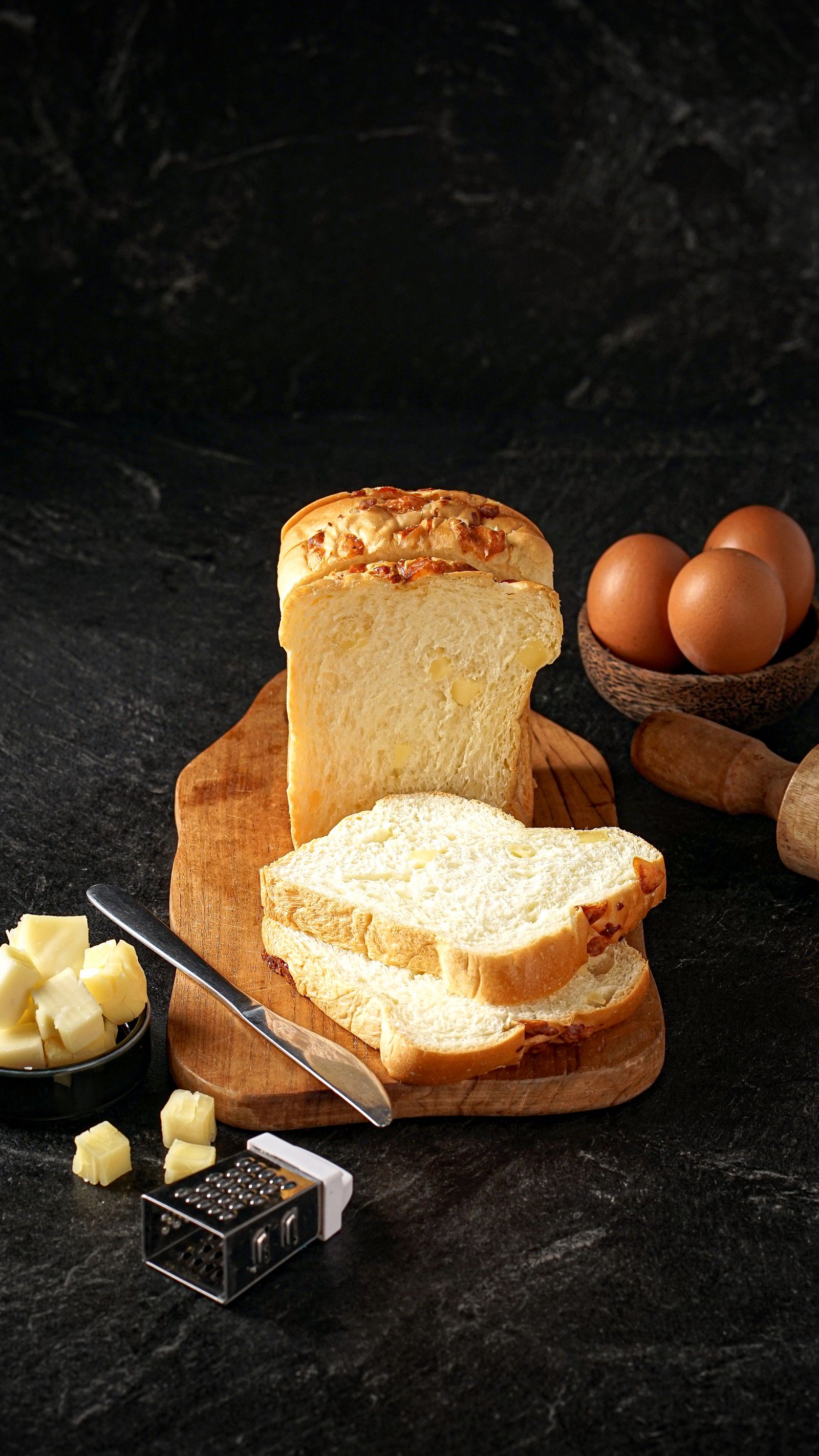
- Classic pan loaf: Divide into 3 equal pieces, shape each into a tight ball, and place them seam-down in a row in a buttered 9 x 5 inch pan.
- Braid: Divide into 3 ropes about 14 inches long, braid loosely (a tight braid restricts oven spring), and tuck the ends under in a buttered pan.
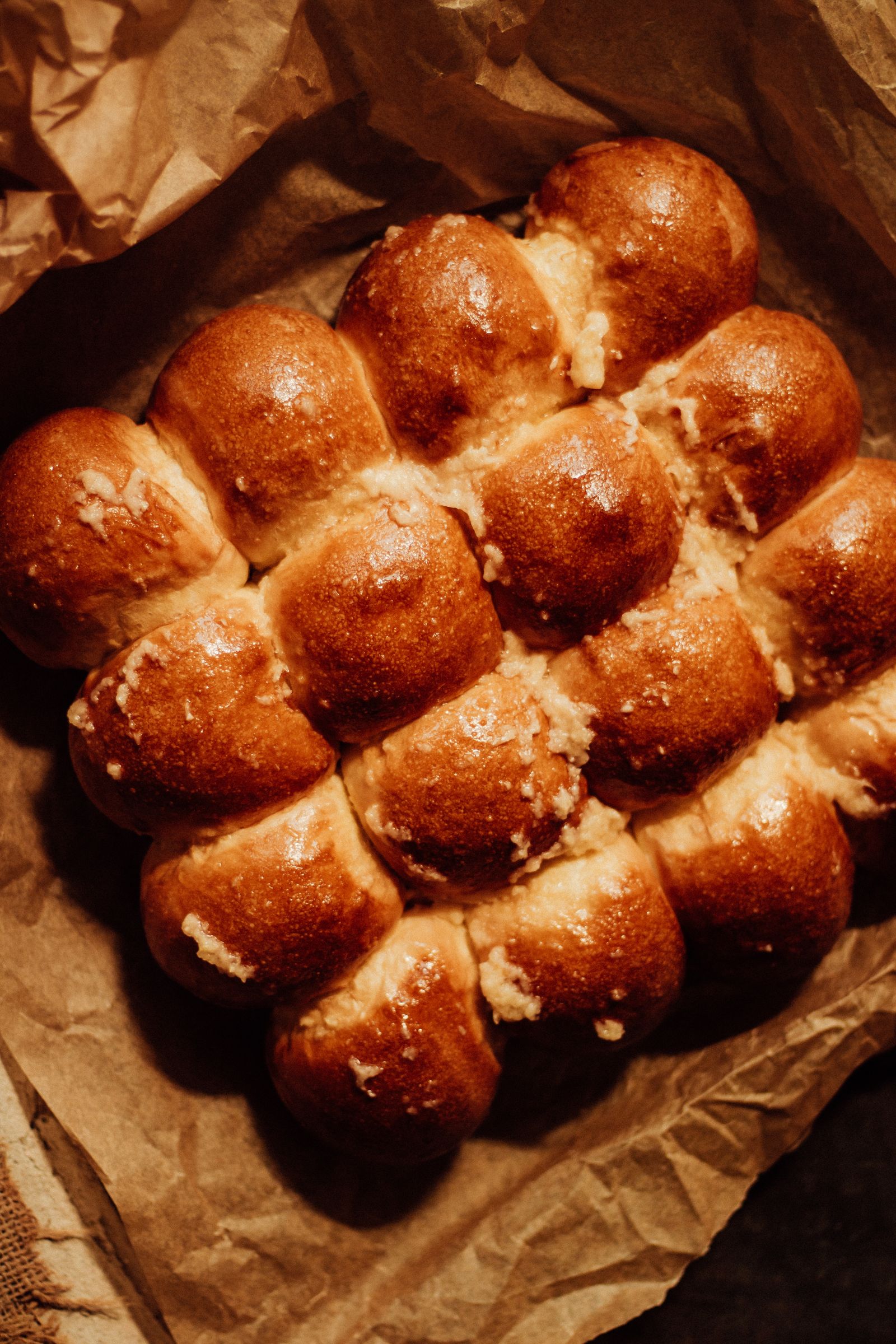
- Brioche rolls: Divide into 12 pieces of about 85 g, shape into tight balls, and place in a buttered 9 x 13 inch pan, just touching.
Cover and proof at warm room temperature for 2 to 4 hours, until the dough has risen to roughly 1 inch above the pan rim for a loaf, or doubled for rolls, and a gentle poke leaves a slow, partial spring-back. Under-proofed brioche bakes dense with a tight crumb; over-proofed brioche collapses and bakes with a wrinkled top. When in doubt, proof a little longer rather than a little less — enriched dough is more forgiving of slight over-proofing than lean dough, though the overproofing rescue guide still applies if you go too far.
Baking: Temperature and Colour
Brush the proofed dough gently with egg wash — one thin coat, avoiding drips into the pan, which glue the loaf to the sides. Bake in a preheated 350°F (175°C) oven: 35 to 45 minutes for a pan loaf, 22 to 28 minutes for rolls. Tent loosely with foil after 20 minutes if the top browns too fast; brioche's sugar and egg content means it colours quickly, and a dark crust can look done while the centre is still doughy.
The loaf is done when the internal temperature reaches 190–195°F (88–91°C) and the crust is deep golden-brown. Cool in the pan for 10 minutes, then turn out onto a rack and cool fully — at least 1 hour — before slicing. Cutting hot brioche compresses the crumb and makes it gummy, the same slicing mistake behind many dense, gummy loaves. A sharp serrated bread knife gives the cleanest slices once it is cool.
Troubleshooting Sourdough Brioche
Dough never comes together after adding butter. Almost always a gluten problem: the dough was under-kneaded before the butter went in. Next time, knead until the dough passes the windowpane test before adding a single gram of butter.
Greasy, slack dough. Butter too warm, or the kitchen too hot. Chill the dough for 20 minutes and continue; in summer, work with the bowl over an ice bath for the butter stage.
Dense crumb despite a long ferment. Usually under-proofing at the final stage, or a starter that was past peak when mixed. Feed at peak, and let the final proof run until the dough truly crowns the pan.
Loaf sinks after baking. Over-proofed, or baked at too low a temperature so the structure never set. Check your oven with a thermometer — many ovens run 25°F cool — and shorten the final proof next time.
Crust too dark, centre underdone. Tent with foil earlier, and consider dropping the oven to 325°F (165°C) for the second half of the bake. A baking stone or steel underneath helps even heat; see our baking steel guide for how thermal mass steadies an oven.
Using, Storing, and Freezing Brioche
Brioche is at its best the day it is baked, sliced thick, with butter and jam — but it is also the most versatile loaf in the sourdough repertoire. Day-two brioche makes the best French toast you will ever eat, because the egg-rich crumb soaks up custard without falling apart. Slice it for sandwiches (it is a softer cousin of our sourdough sandwich bread), cube it for bread pudding, or toast it for burgers — a brioche bun is the classic upgrade for a reason.
Store the cooled loaf in a sealed bag at room temperature for 2 to 3 days, or slice and freeze for up to 3 months; toast slices straight from frozen. Our bread storage guide compares bags, wraps, and boxes in detail. Do not refrigerate brioche — the fridge accelerates staling in enriched breads even faster than in lean loaves.
Variations Worth Trying
- Chocolate chip brioche: Knead 150 g dark chocolate chips in after the butter stage; shape as a loaf or rolls.
- Cinnamon swirl brioche: Roll the dough out, spread with cinnamon sugar and soft butter, roll up, and bake in a pan — a close relative of our cinnamon rolls, but sliced as a loaf.
- Savoury brioche: Reduce the sugar to 20 g, add grated cheese and chopped herbs at the shaping stage, and serve warm with soup.
- Brioche à tête: Shape small balls with a smaller ball on top, baked in fluted moulds — the classic French breakfast roll.
Frequently Asked Questions
Can I make sourdough brioche without a stand mixer?
Yes, but budget extra time and arm work. Mix by hand, use slap-and-fold in 5-minute bursts with 10-minute rests, and add the butter in small pieces once the dough is smooth. It is harder than a lean dough by hand, but entirely doable — many home bakers prefer the control it gives.
Why is my brioche sour?
A starter fed infrequently, or a very long warm ferment, pushes acidity up. Feed your starter at peak twice before baking, keep the bulk ferment at the shorter end of the range, and lean on the overnight cold ferment for flavour rather than an extra-long warm ferment. If your starter smells sharp, see the acetone-smell fix.
Can I use discard instead of active starter?
Not for brioche. Discard lacks the leavening power an enriched dough needs, and the extra acidity can make the crumb tight. Save discard for discard recipes or our discard crackers, and use a ripe starter here.
How do I know the final proof is done?
Use the pan, not the clock: the dough should crown about 1 inch above the rim and jiggle gently when you shake the pan. The poke test helps too — a slow, partial spring-back means ready; a fast full spring-back means wait longer; no spring-back at all means bake immediately.
The Bottom Line
Sourdough brioche rewards patience with a loaf that is rich without being heavy, tangy without being sour, and versatile enough to carry breakfast, lunch, and dessert in a single bake. The two rules that matter most are simple: develop the gluten fully before the butter goes in, and chill the dough before shaping. Get those right, and the rest — the braid, the egg wash, the golden crust — is just decoration on an already excellent bread.


Comments
Post a Comment
Play nice — spam and promo links are deleted.