Sourdough Discard Recipes: 8 Easy Ways to Use It
Every feeding produces it: the portion of starter you remove so the rest can be fed. Once your starter is established and healthy, that "discard" is simply unfed starter — tangy, versatile, and far too useful to pour down the drain. These are the eight uses that earn their place in a real kitchen, starting with three full recipes and five quick methods. One safety line first: discard is only food once your starter is mature and healthy. During the first week of building one (see our starter guide), the culture is still balancing itself — that discard goes in the trash, and so does anything from a starter showing pink, orange, or mold.
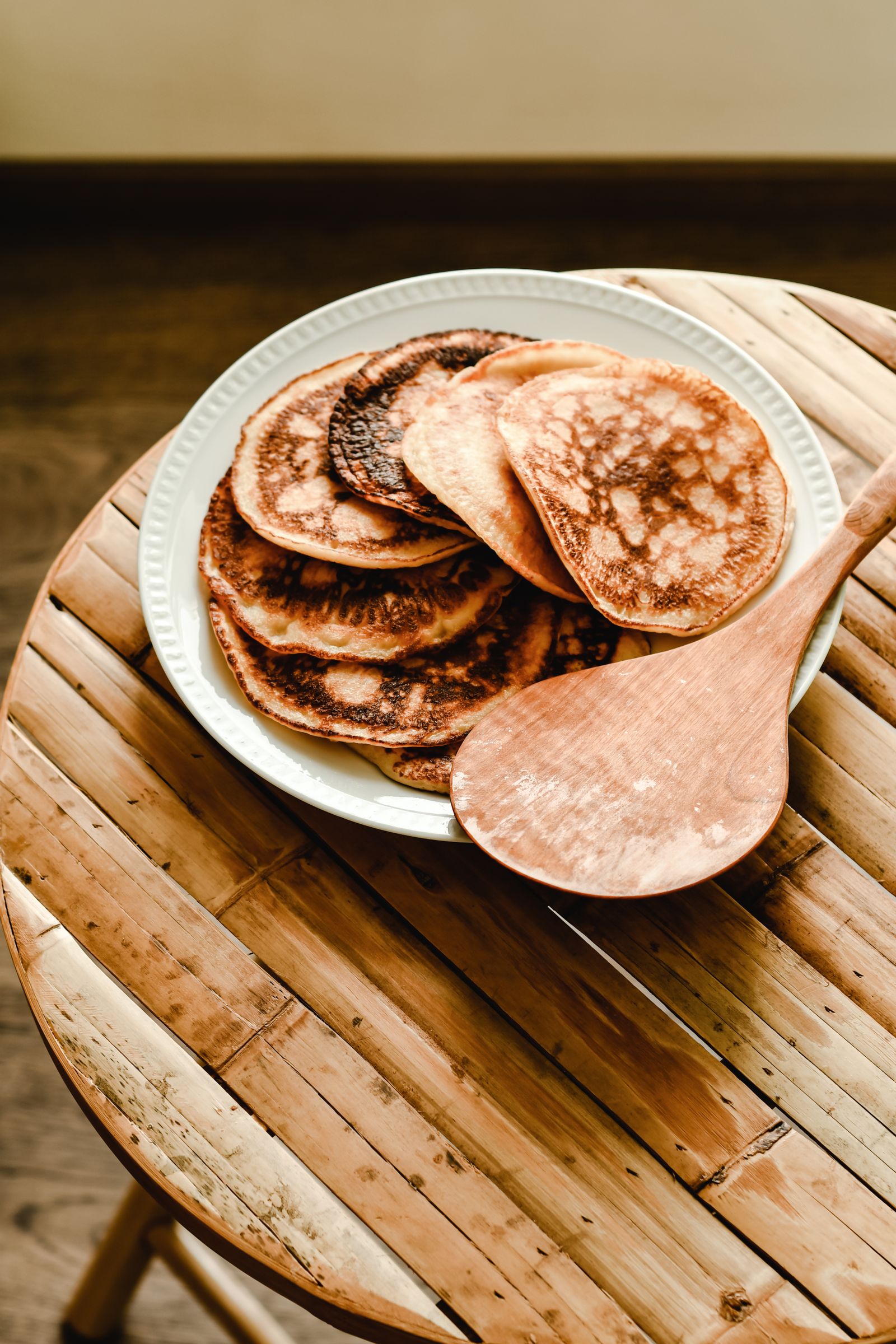
Recipe 1: Sourdough Discard Pancakes
The gateway discard recipe, and still the best one. The formula below matches the consensus of widely published discard pancake recipes — the discard brings tang and tenderness; fresh baking powder and soda do the lifting.
- 1 cup (227g) sourdough discard
- 1 cup (120g) all-purpose flour
- 1 cup (227g) milk
- 1 large egg
- 2 tablespoons sugar
- 2 tablespoons melted butter, plus more for the pan
- 1 teaspoon baking powder
- 1 teaspoon baking soda
- 1/2 teaspoon fine salt
Whisk everything together just until combined — a few lumps are fine and overmixing makes pancakes tough. Rest the batter 10 minutes while a skillet heats over medium. Cook ladles of batter 2–3 minutes per side, until the edges look set and bubbles hold on the surface before flipping. Makes about 8 pancakes. For waffles, use this exact batter in a hot waffle iron with an extra tablespoon of butter in the mix — that is Use #4, below, and it is not cheating.
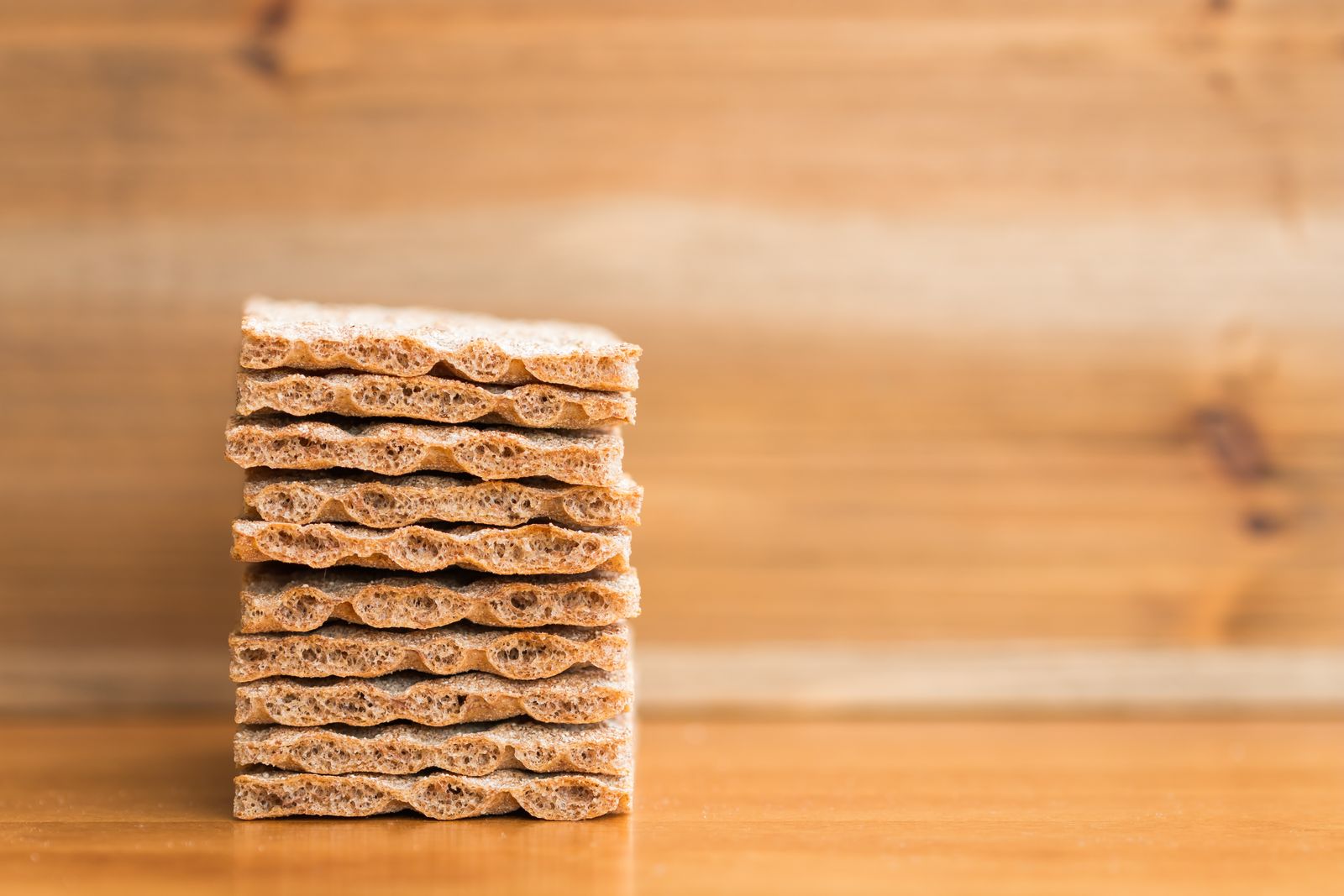
Recipe 2: Sourdough Discard Crackers
The recipe that converts discard sceptics: thin, snapping, deeply savoury crackers that taste like the expensive kind.
- 1 cup (227g) sourdough discard
- 1 cup (120g) flour — all-purpose, whole wheat, or a blend
- 4 tablespoons (57g) butter, melted
- 1/2 teaspoon fine salt, plus flaky salt for the top
- 1–2 tablespoons herbs or seeds (rosemary, thyme, sesame, everything-bagel seasoning)
Stir everything into a smooth dough, flatten into a disc, wrap, and chill 30 minutes — cold dough rolls far thinner without sticking. Roll between two sheets of parchment to about 1/16 inch, peel off the top sheet, sprinkle with flaky salt, and cut into squares with a pizza wheel (or leave whole and break into shards after baking). Bake at 350°F for 15–25 minutes until deep golden at the edges; thin spots brown first, so rotate the pan once. Cool completely — they crisp as they cool.
Recipe 3: Sourdough Discard Popovers
Adapted from King Arthur Baking's published sourdough popovers, which use discard exactly this way. You need a popover pan or a muffin tin, and everything at room temperature.
- 1/2 cup (113g) sourdough discard
- 1 cup (227g) milk, warmed slightly
- 3 large eggs, room temperature
- 3/4 teaspoon salt
- 1 cup (120g) all-purpose flour
Heat the oven to 450°F with the pan inside. Whisk the eggs, milk, and discard smooth, then whisk in the flour and salt just until combined. Carefully fill the hot, greased cups about three-quarters full and bake about 20 minutes until puffed and deeply golden — do not open the oven early or they will sigh and collapse. Serve immediately, with butter, like you mean it.
5 More Ways to Use Discard (Quick Methods)
4. Waffles
The pancake batter above, plus one extra tablespoon of melted butter, straight into a preheated waffle iron. Discard waffles freeze well and toast back to crisp — make a double batch on purpose.
5. Skillet Scallion Pancakes
Heat a cast iron skillet with a film of oil until shimmering. Pour in about a cup of discard straight from the jar, swirl to coat, and scatter with sliced scallions and sesame seeds. Cook until the bottom is deeply crisp (3–4 minutes), flip for 1 minute more, and eat with a dipping sauce of soy, vinegar, and chili oil. The discard's tang against the scallions is the whole point.
6. Pizza Base
Stir 1 cup of discard with 1 cup of flour, a teaspoon of baking powder, half a teaspoon of salt, and a tablespoon of olive oil into a rough dough; rest 30 minutes, roll thin, top lightly, and bake on your hottest oven setting on a preheated pan or steel. A same-night pizza with real sourdough flavour and no planning ahead.
7. Muffins and Quick Breads
In any muffin or banana-bread recipe, swap out about a third of the liquid and flour for a cup of discard (it counts as half flour, half liquid by weight). The crumb comes out a little more tender and the flavour a little more complex. Chocolate and banana both love the tang.
8. Frying Batter
Season a cup of discard with salt, pepper, and paprika and use it as-is as a batter for onion rings, fish, or vegetables — it clings, puffs in hot oil, and fries up shatter-crisp. The oldest use of all: this is what discard was for, long before it had a name.
Storing Discard
Keep a second jar in the fridge and add each feeding's discard to it. Used within about a week, fridge discard works in every recipe above — it gets tangier as the days pass, which crackers and scallion pancakes love, while pancakes may want an extra pinch of soda to balance the acid. If a thin layer of liquid forms on stored discard, that is hooch; stir it in before use, and read our hooch guide if you want the full story. And once you are baking the loaves themselves, our beginner sourdough recipe is where the fed half of the jar goes.
The Substitution Math (For Adapting Your Own Recipes)
Discard is a 100%-hydration starter, which means by weight it is half flour and half water. That single fact lets you convert almost any recipe: for every 100g of discard you add, subtract 50g of flour and 50g of liquid from the original formula. A muffin recipe calling for 250g flour and 200g milk becomes 150g flour, 100g milk, and 200g discard — plus a pinch of extra baking soda (about 1/4 teaspoon per cup of discard) if the discard is more than a few days old, because its acidity will spend some of your leavening before the oven does. Yeasted recipes adapt too: discard brings wild yeast of unpredictable strength, so keep a pinch of the recipe's commercial yeast the first time and treat the discard as a flavour ingredient.
Frequently Asked Questions
Can I use discard straight from the fridge?
Yes for crackers, scallion pancakes, and batter — cold is fine there. For pancakes and popovers, room-temperature discard mixes more evenly and rises better; 30 minutes on the counter is enough.
How old can discard be and still be used?
About a week in the fridge is the comfortable window. Beyond that the acid builds until it overwhelms leavening and flavour. If it smells like nail polish remover or shows any pink, orange, or fuzz, it is compost, not an ingredient.
Does cooking destroy the discard's flavour?
No — the tang mellows but survives baking, which is precisely why these recipes work. What cooking does destroy is the live culture, so discard recipes are flavour, not probiotics.
Can I reduce waste instead of using discard?
Yes — keep a smaller starter. A 40g starter fed 1:1:1 produces a spoonful of discard per feed instead of a cup. Many bakers scale down between bakes and scale up the day before; the starter does not mind.


Comments
Post a Comment
Play nice — spam and promo links are deleted.