Best Baking Steel for Sourdough (2026 Picks)
CrumbPath is reader-supported. When you buy through links on our site, we may earn an affiliate commission — at no extra cost to you.
The short answer: for most sourdough bakers, a 16 x 14 inch baking steel, 1/4 inch thick, is the best buy — it preheats faster than a thick stone, transfers heat more aggressively for a crisp bottom crust and strong oven spring, and it cannot crack. Thinner steels (1/8 inch) are cheaper but lose heat faster; thicker steels (3/8 to 1/2 inch) hold more heat but are very heavy and slow to preheat. Buy for size first (it must fit your oven with airflow around it), thickness second, and finish third.
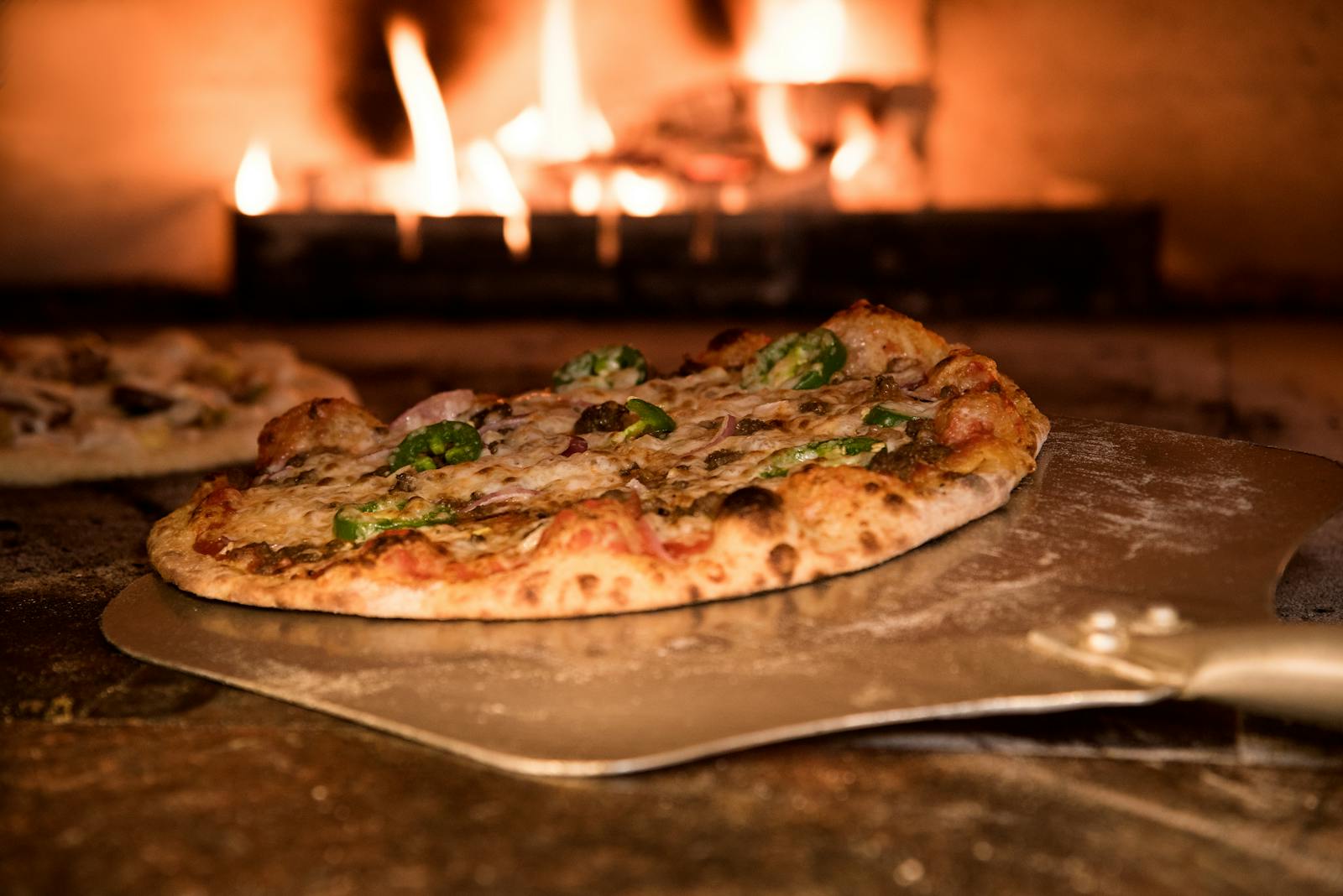
A baking steel is a flat slab of steel that lives in your oven and acts as a supercharged baking surface. You preheat it with the oven, slide your loaf or pizza directly onto the hot steel, and the steel dumps stored heat into the bottom of the dough. The result is a crisper base, better oven spring, and a crust that a plain baking sheet cannot match. It is the closest most home bakers get to a professional deck oven, and unlike a ceramic stone, it will never crack from thermal shock.
This guide is based on published manufacturer specifications and features reported by bakers, not on laboratory testing. Where a claim matters — weight, thickness, preheat time — it is stated as the manufacturer's figure, so you can compare listings fairly. If you currently bake in a Dutch oven, our comparison of the best Dutch ovens for sourdough covers the other half of the home-baking setup; a steel and a Dutch oven complement each other rather than compete, since the steel excels at flatbreads, pizzas, and open baking.
Steel vs stone vs sheet pan: what actually differs
Steel conducts heat roughly 18 times faster than ceramic, which is why it produces a crisper crust in less time. A stone absorbs heat slowly and releases it slowly; it is gentler, but it needs a longer preheat (40 to 60 minutes) and it can crack if a cold, wet dough hits a screaming-hot surface or if it gets wet while hot. A steel preheats in 30 to 45 minutes, shrugs off thermal shock, and doubles as a griddle on the stovetop for flatbreads — but it is heavier than a stone of the same size, it needs seasoning to resist rust, and it can over-brown the base of a loaf if you are not careful with rack position.
A heavy-gauge sheet pan is the budget alternative: preheat it and it gives a better crust than a cold pan, but it holds far less heat than either a steel or a stone, so the crust improvement is modest. If you bake pizza or flatbread weekly, the step up to a steel is noticeable from the first bake. If you bake one loaf a month in a Dutch oven, a steel is a luxury, not a necessity — our sourdough pizza dough is where a steel makes its biggest difference in this blog's recipes.
How to choose: size, thickness, finish
Size. Measure your oven's interior before you buy. The steel should leave at least 2.5 cm (1 inch) of airflow on every side, and it must fit through the oven door. For most standard ovens, 16 x 14 inches is the largest practical size; smaller ovens suit 14 x 12 inches. A steel that is too large blocks airflow and burns the top of your loaf while the base stays pale.
Thickness. The three common thicknesses are 1/8 inch (about 3 mm), 1/4 inch (about 6 mm), and 3/8 to 1/2 inch (about 10 to 13 mm). Thinner steels are lighter and cheaper but cool down when a cold loaf lands on them, which costs oven spring. The 1/4 inch steel is the sweet spot for most bakers: heavy enough to hold heat through a bake (about 7 kg for a 16 x 14 inch slab), light enough to move safely. Thicker steels hold the most heat and suit back-to-back pizza sessions, but a 1/2 inch steel can weigh over 14 kg — check that your oven rack can hold it and that you can lift it safely.
Finish. Most steels come either bare or pre-seasoned. Pre-seasoned steels have a head start on rust resistance, but any steel will need ongoing care: keep it dry, oil it lightly after cleaning, and never soak it. Stainless steel versions resist rust better but cost more and conduct heat slightly less efficiently than carbon steel. For most bakers, a pre-seasoned carbon steel slab is the best value.
The five types, compared
These are the five categories of baking steel you will find on Amazon, described by their published specifications. Prices move, so check the current listing before buying; the ranking below is by suitability for sourdough bakers, not by price.
1. Standard 1/4 inch carbon steel slab — the best all-rounder
The default choice: a 16 x 14 inch, 1/4 inch carbon steel slab, usually pre-seasoned. It holds enough heat for a loaf and a pizza in sequence, fits most ovens, and costs less than thicker options. If you buy one steel, buy this one. Search for it as a 1/4 inch baking steel on Amazon.
2. Thick 3/8 inch steel — the pizza-session pick
A 3/8 inch slab holds more heat and recovers faster between pizzas, so it suits bakers who bake four or more pizzas in a row. The trade-off is weight (around 10 kg) and a longer preheat. For a single weekly loaf, the extra mass is unnecessary. Look for 3/8 inch baking steels on Amazon if you run regular pizza nights.
3. Thin 1/8 inch steel — the budget entry
Cheaper and lighter (around 3.5 kg), and a genuine improvement over a sheet pan, but it loses heat quickly when cold dough lands on it. Fine for occasional pizza, less good for sourdough loaves that need sustained bottom heat. Compare 1/8 inch baking steels on Amazon if budget is the deciding factor.
4. Stainless steel slab — the low-maintenance option
Stainless resists rust far better than carbon steel, which matters in a humid kitchen or if you are unlikely to oil the slab after every use. It costs more and conducts heat a little less efficiently, but the difference is small in practice. Browse stainless baking steels on Amazon if rust worries you.
5. Steel with a peel bundle — the convenience buy
Some listings bundle the steel with a wooden or metal peel, which you need anyway to slide dough onto a hot surface. Buying the bundle is often cheaper than buying both separately, and it guarantees the peel fits the steel. Check baking steel and peel sets on Amazon if you do not already own a peel — and if you do, our guide to the best bread lame covers the other scoring tool you will want alongside it.
Comparison table
| Steel type | Thickness | Approx. weight (16 x 14 in) | Preheat | Best for | Watch out for |
|---|---|---|---|---|---|
| Standard carbon steel | 1/4 inch | ~7 kg | 30–45 min | Most sourdough bakers | Needs seasoning, keep dry |
| Thick steel | 3/8 inch | ~10 kg | 45–60 min | Back-to-back pizzas | Very heavy, slow preheat |
| Thin steel | 1/8 inch | ~3.5 kg | 20–30 min | Budget, occasional pizza | Loses heat fast |
| Stainless steel | 1/4 inch | ~7 kg | 30–45 min | Humid kitchens, low maintenance | Higher price |
| Steel + peel bundle | 1/4 inch | ~7 kg + peel | 30–45 min | First-time buyers | Peel quality varies |
Using a baking steel for sourdough
Place the steel on the lowest rack or the middle-low rack, and preheat the oven with the steel inside for at least 30 minutes at 250°C (480°F) — longer for thicker steels. Slide the shaped loaf onto the steel using a peel dusted with semolina or lined with parchment, and add steam: a tray of boiling water on the bottom rack, or a few ice cubes in a preheated tray, gives the oven spring a Dutch oven would otherwise provide. Without steam, an open-baked loaf on a steel will still get a crisp base, but the crust will set early and the spring will be less dramatic.
Rack position matters. Too high, and the top browns before the base crisps; too low, and the base can scorch, especially on a thick steel. Start on the second-lowest rack and adjust after your first bake. And remember that a steel stays dangerously hot long after the oven is off — let it cool in the oven, and warn anyone else in the kitchen. For loaf handling and transfer tools generally, our guides to banneton baskets and bench scrapers cover the rest of the kit.

AliExpress, evaluated
AliExpress lists baking steels at lower prices than most Amazon listings, sometimes by a third or more, and the savings are tempting for a slab of steel that looks simple. The trade-offs are real, though. Thickness is the main risk: unbranded listings do not always state the true thickness, and a slab sold as 1/4 inch that arrives at 1/8 inch will not hold heat the way you expect. Finish is the second risk: unseasoned, roughly finished slabs can arrive with sharp edges or surface rust, and returns for a 7 kg slab are expensive and slow. Shipping times run to weeks, and warranty support is limited. If you order from AliExpress, verify the stated thickness and weight against the listing's reviews, check the seller's ratings on heavy kitchen goods specifically, and measure the slab on arrival before you season it. For most bakers, the Amazon-listed, spec-stated slab is worth the premium for a known thickness and an easy return.
Care and maintenance
Clean a steel by scraping off baked-on flour and wiping it with a dry cloth or a barely damp one, then drying it immediately — never soak it, and never put it in a dishwasher. If rust spots appear, scrub them with salt and a little oil, wipe clean, and re-season by wiping a thin layer of high-smoke-point oil over the surface and heating it in the oven until it darkens. Store the steel in the oven permanently if you have the space; many bakers simply leave it there, where it also helps even out oven temperature for everything else you bake.
Verdict
Buy the standard 1/4 inch carbon steel slab in the largest size your oven allows with airflow to spare — 16 x 14 inches for most ovens. It is the best balance of heat, weight, price, and durability for sourdough bakers, it cannot crack, and it will improve every pizza, flatbread, and open-baked loaf you make. Choose the thick 3/8 inch slab only if you run regular multi-pizza sessions; choose stainless only if rust is a genuine concern in your kitchen; and buy a peel bundle if you do not already own a peel. Skip the thin 1/8 inch steel unless budget is the deciding factor — it is better than a sheet pan, but it is not the upgrade most bakers are hoping for. Pair your steel with a Dutch oven for covered loaves (see our Dutch oven comparison), keep it seasoned and dry, and it will outlast every other baking surface you own.
Frequently asked questions
Can a baking steel replace a Dutch oven?
Partly. A steel gives a better base crust and works for pizzas and flatbreads a Dutch oven cannot hold, but it does not trap steam the way a lidded pot does. For tall, crusty boules, the Dutch oven still wins on oven spring; for everything flat, the steel wins. Most serious home bakers eventually own both.
Will a baking steel damage my oven rack?
A 1/4 inch steel weighs about 7 kg, which standard oven racks handle easily. A 1/2 inch steel at 14 kg or more is heavier — check your oven manual's rack rating and use the lowest rack, where the rack is best supported.
Do I need to season a pre-seasoned steel?
Not immediately, but seasoning builds up with use. Wipe a thin layer of oil over the surface after cleaning, heat it briefly, and the non-stick, rust-resistant layer improves over months. Avoid thick oil layers, which go sticky instead of seasoning.
Can I use parchment paper on a baking steel?
Yes, and most bakers do — it makes transfer easy and prevents sticking. Use parchment rated for high heat, and expect it to darken at 250°C; that is normal and harmless.
Once your steel is in the oven, the recipes that show it off best are already on this blog: start with our sourdough pizza dough, then try our no-knead focaccia baked directly on the hot steel for an extra-crisp base.


Comments
Post a Comment
Play nice — spam and promo links are deleted.