Best Bench Scrapers for Sourdough (2026 Picks)
CrumbPath is reader-supported. When you buy through links on our site, we may earn an affiliate commission — at no extra cost to you.
The short answer: for most sourdough bakers, a wide stainless steel bench scraper is the best first buy — it divides dough cleanly, lifts sticky dough off the work surface, and cleans up in seconds. A flexible plastic scraper is the best second tool, for bowl work and soft doughs. Wood-handled and ruler-marked scrapers are nice upgrades, not necessities. Buy for blade width, edge straightness, and a grip you can hold with floury hands, not for brand names or extra gadgets.
A bench scraper — also called a dough scraper, bench knife, or pastry cutter — is the least glamorous tool in sourdough baking, and one of the most used. It does jobs no knife does well: it cuts dough without dragging, lifts a sticky piece off the counter without tearing it, cleans a floured surface in one sweep, and portions dough evenly. If you have been using a knife, a spatula, or your hands alone for these jobs, a scraper will feel like an upgrade on the first bake.
This guide compares the main types — stainless steel, plastic, flexible bowl scrapers, wood-handled, and ruler-marked — on the features that matter for sourdough: edge, size, grip, cleaning, and price. It is based on published specifications and the features bakers consistently report as important, not on a claim of laboratory testing; no single scraper was put through a formal test programme for this article. Prices vary by seller and size, so check the current listing before buying, and use the comparison table below to match a type to your baking style.
What a bench scraper actually does in sourdough baking
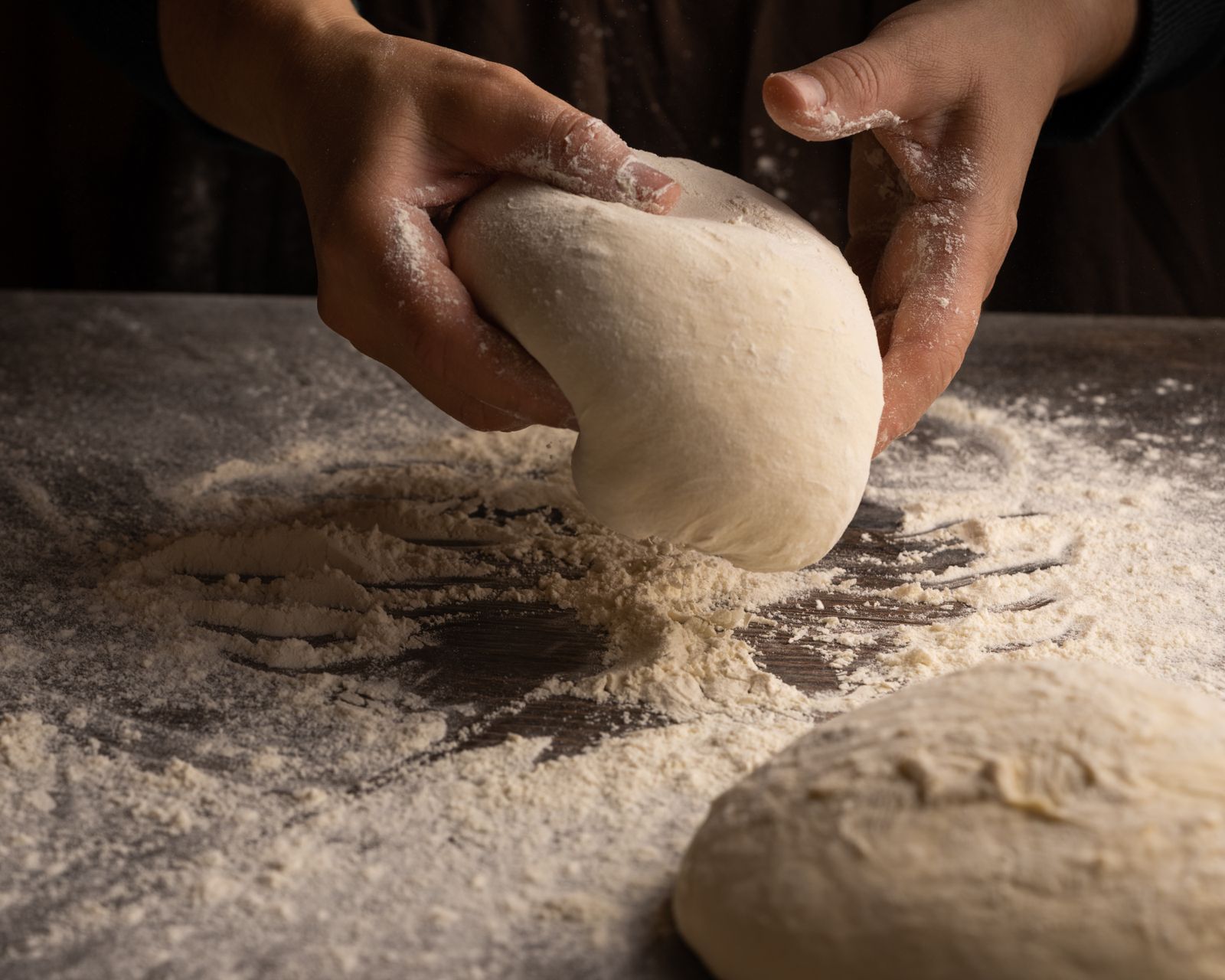
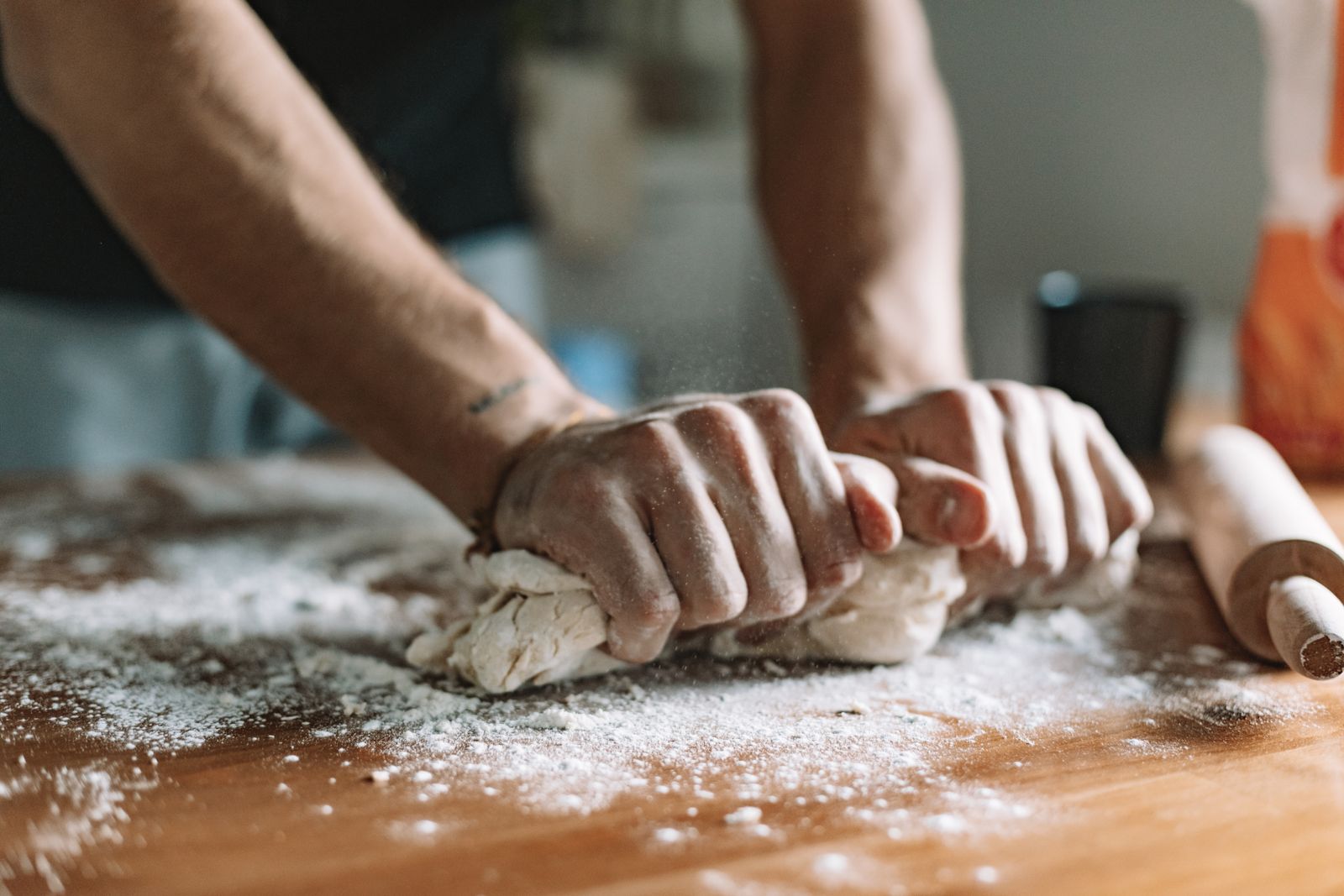
During a typical bake, a bench scraper earns its place several times over. At dividing time, it cuts a bulk-fermented dough into equal pieces with one firm press, where a knife tends to drag and deflate the dough. At shaping time, it lifts dough off the bench, tucks it under itself, and helps build surface tension — the same shaping step explained in our beginner bread recipe. At clean-up time, it sweeps dried flour and dough bits off the counter in seconds, which matters more than it sounds when you bake weekly.
It also helps with consistency. Even portions rise and bake evenly; uneven portions do not, and that shows up as loaves that finish at different times. For bakers working on portioning and timing, our baking schedule guide pairs naturally with a scraper: divide evenly, proof on the same timeline, and bake with confidence. A scraper will not fix a weak starter or a bad flour choice — see our flour guide for that — but it removes a small, repeated source of frustration from every bake.
Comparison table: bench scraper types at a glance
| Type | Best for | Edge and size | Cleaning | Typical price range |
|---|---|---|---|---|
| Stainless steel bench scraper | Dividing, lifting, shaping, clean-up | Straight steel edge, usually 15 cm (6 in) wide | Hand wash, dries fast | Low to moderate |
| Plastic dough scraper set | Bowl scraping, soft and sticky doughs | Flexible plastic edge, smaller and curved | Often dishwasher safe | Low |
| Wood-handled bench scraper | Comfort, longer shaping sessions | Steel blade with a wood grip | Hand wash, dry the handle | Moderate |
| Flexible bowl scraper | Scraping bowls, folding dough, portioning batter | Thin, bendable edge that follows a bowl curve | Usually dishwasher safe | Low |
| Ruler-marked bench scraper | Even portions, pastry work | Steel edge with measurement markings | Hand wash | Moderate |
Price ranges above are broad, because the same type of scraper sells at very different prices depending on brand, steel thickness, and whether it is sold singly or in a set. Treat the table as a guide to relative cost, not a price promise, and check the listing you are buying from.
The five types, in detail
1. Stainless steel bench scraper — the best all-rounder
A stainless steel scraper is a flat rectangle of steel with a handle along the top edge, usually about 15 cm (6 inches) wide and 10 cm (4 inches) tall. That size is no accident: it is wide enough to divide a loaf-sized dough in one cut, and tall enough to grip comfortably with floury hands. Look for a straight, sharp-enough edge — it should cut dough cleanly without being knife-sharp — and a handle that does not flex or wobble. Thicker steel feels more stable; very thin steel can bend under pressure.
This is the type to buy first, and for many bakers it is the only scraper they ever need. It handles dividing, lifting, shaping, and bench cleaning, and it lasts for years with a quick hand wash and dry. See stainless steel bench scrapers on Amazon to compare widths and handle styles at current prices.
2. Plastic dough scraper set — the budget-friendly second tool
Plastic scrapers are smaller, lighter, and often sold in sets of two or three with different edge shapes — straight, curved, and notched. Their flexible edge is excellent for scraping dough out of a bowl without leaving a layer behind, and for working with very soft, sticky doughs that would cling to steel.
The trade-off is cutting power: plastic will not divide a firm dough as cleanly as steel, and it can flex when you press hard. Buy plastic as a complement to steel, not a replacement for it, unless your baking is mostly bowl-based — for example, if you make a lot of no-knead focaccia or pizza dough, where bowl scraping matters more than bench dividing. See plastic dough scraper sets on Amazon.
3. Wood-handled bench scraper — comfort for longer sessions
A wood-handled scraper pairs a steel blade with a rounded wooden grip. The grip is warmer and more comfortable than bare steel, especially during a long shaping session, and it gives a more secure hold when your hands are floured or damp. The blade is usually the same size as a standard steel scraper, so cutting performance is similar.
Wood handles need hand washing and prompt drying, and usually cost a little more than plain steel. If you bake in batches or your hands tire easily, the grip is worth the premium. See wood-handled bench scrapers on Amazon.
4. Flexible bowl scraper — the bowl specialist
A bowl scraper is a thin, flexible piece of plastic or silicone, shaped to follow a bowl's curve. It gets every last bit of dough, batter, or starter out of a bowl, folds dough without deflating it, and scrapes starter jars — a job that matters when feeding daily, as explained in our feeding guide.
It cannot divide dough on the bench — it is too flexible — so buy it as a cheap extra for bowl work. See flexible bowl scrapers on Amazon.
5. Ruler-marked bench scraper — for even portions
A ruler-marked scraper adds measurement markings along the blade edge, so you can portion dough to a consistent width without reaching for a ruler. That is genuinely useful if you bake rolls, bagels, or English muffins in batches, where even pieces bake evenly — the same consistency that matters for our sourdough bagels, which need equal pieces to boil and bake uniformly.
Markings wear with washing, so treat them as a guide rather than a precision instrument. For most home bakers, a plain steel scraper plus a kitchen scale gives more accurate portions than markings alone. See ruler-marked bench scrapers on Amazon.
What to look for before you buy
- Width: 15 cm (6 inches) suits most home doughs. Narrower scrapers (10 cm / 4 inches) are nimble for small batches but take two cuts for a large loaf; wider ones (20 cm / 8 inches) suit batch baking.
- Edge: straight, smooth, and free of burrs. Run a finger carefully along it — it should feel clean, not rough or serrated, which would drag dough.
- Handle: firm, comfortable, and easy to grip with floury hands. A handle that is too thin or too slippery will frustrate you every bake.
- Steel thickness: a blade that flexes when you press it will not cut cleanly. If a listing gives a gauge or thickness, thicker is generally more stable for bench work.
- Cleaning: steel scrapers need a hand wash and dry to avoid water spots; plastic ones are usually dishwasher safe. Match the care routine to how you actually clean up.
AliExpress, evaluated
AliExpress lists bench scrapers at lower prices than most Amazon listings, often in multi-packs or with free shipping, and for a simple steel rectangle that can look like a bargain. The trade-offs are worth weighing. Steel thickness, edge finishing, and handle quality vary more between AliExpress sellers than between established kitchen brands, and listings do not always state the blade width or thickness clearly. Shipping times are longer, returns are harder, and a scraper that arrives bent, rough-edged, or narrower than described is a common complaint pattern for unbranded kitchen tools. If you order from AliExpress, check the seller's ratings, read reviews that mention the actual blade size, and expect to wait — and accept that a replacement is less straightforward than with a domestic seller. For a tool you will use weekly, the price saving is often small once shipping and risk are counted, and a known Amazon listing with clear dimensions is the simpler buy. No AliExpress link is included here, by design; this is an evaluation, not a recommendation to a specific listing.
Care and storage
Steel scrapers last longest when washed promptly, dried fully, and stored flat or hanging — not loose in a drawer where the edge can nick other tools. Plastic scrapers can go in the dishwasher, but keep them out of very hot cycles that can warp thin plastic. Wood handles should be oiled occasionally with food-safe mineral oil if they start to look dry, and never left soaking. Cleaned after every bake, a scraper stays pleasant to use for years.
Pair a bench scraper with the other tools that do the heavy lifting in sourdough: a bread lame for scoring, a Dutch oven for baking, and banneton baskets for proofing. Together, those four tools cover almost every step from mixing to oven, and a scraper is the cheapest of them — which makes it an easy first upgrade for a new baker, and a useful spare for an experienced one.
Verdict
Buy a wide stainless steel bench scraper first. It is the most versatile, durable, and cost-effective type for sourdough, and it handles dividing, lifting, shaping, and clean-up in one tool. Add a flexible plastic or bowl scraper second, for bowl work and soft doughs, especially if you bake no-knead breads or work with sticky doughs often. Choose a wood-handled or ruler-marked version only if comfort or even portioning is a specific need for your baking — both are good upgrades, neither is essential. Avoid buying on price alone: a very cheap, thin, or rough-edged scraper will frustrate you more than it saves you, and a mid-priced steel scraper from a listing with clear dimensions is the better value over years of weekly baking.
Frequently asked questions
Can I use a knife instead of a bench scraper?
You can, but a knife drags dough, deflates it, and does not lift or clean the bench well. A scraper is designed for exactly those jobs, and it costs less than most kitchen knives.
Do I need more than one scraper?
One steel scraper covers most baking. A second, flexible scraper is useful for bowls and starter jars, and many bakers end up with both. More than two is rarely necessary at home.
How do I clean a steel bench scraper?
Hand wash with warm soapy water, dry immediately, and store flat or hanging. Avoid the dishwasher for steel scrapers with handles, and never soak a wood-handled version.
Is a bench scraper the same as a bench knife?
Yes — bench scraper, dough scraper, bench knife, and pastry cutter are different names for the same family of tools. Check the blade size and material, not the name, when comparing listings.
Start with steel, add plastic for bowls, and let your baking volume decide whether comfort or markings are worth paying for. A good bench scraper will not make your bread rise better — but it will make every bake smoother, cleaner, and a little more enjoyable, which is reason enough to own one.


Comments
Post a Comment
Play nice — spam and promo links are deleted.